|
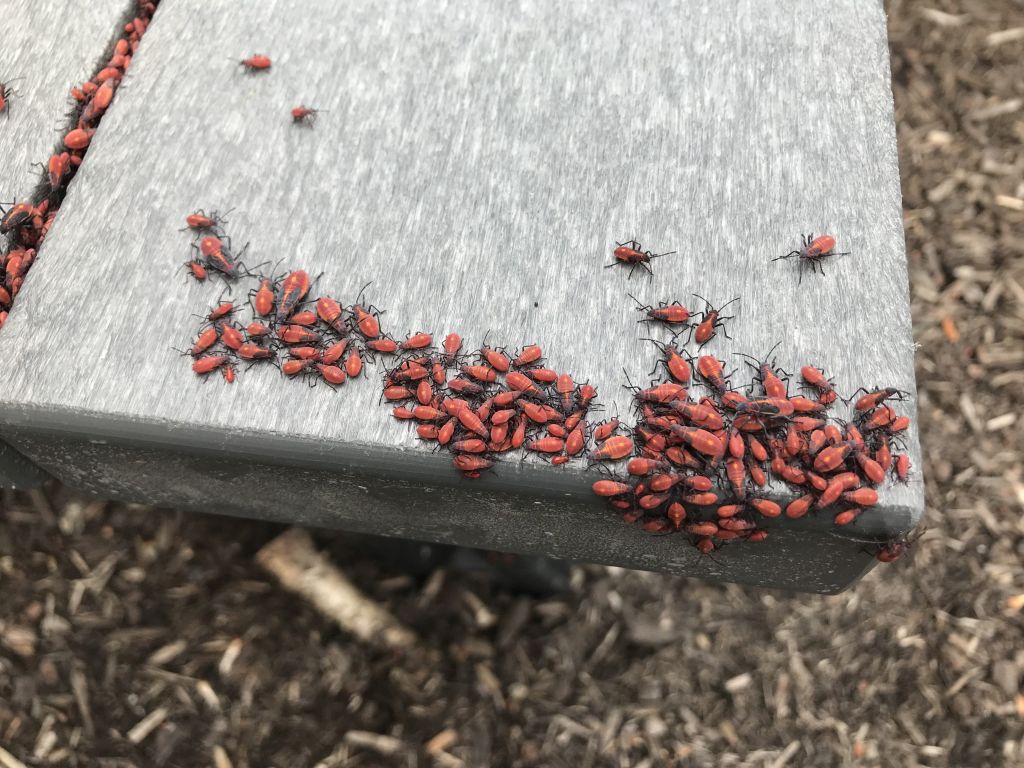
As the temperature drops in Ottawa, you might notice thousands of black and red insects congregating on the sunny side of your house. These are boxelder bugs. While they don’t bite or cause structural damage like carpenter ants, their sheer numbers can be overwhelming.
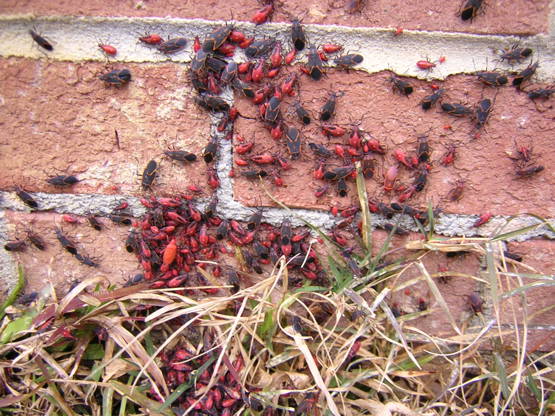 When they find a way inside through small cracks and crevices, they seek warmth in your walls and attic. Once indoors, they can stain curtains, upholstery, and carpets with their excrement and emit a foul odour if crushed. If you see them on your siding in the fall, it is a sign they are preparing to "overwinter" inside your home. When they find a way inside through small cracks and crevices, they seek warmth in your walls and attic. Once indoors, they can stain curtains, upholstery, and carpets with their excrement and emit a foul odour if crushed. If you see them on your siding in the fall, it is a sign they are preparing to "overwinter" inside your home.
At Pest Control Ottawa, we provide targeted exterior and interior treatments to stop the swarm and ensure these bright red pests don't spend the winter as your uninvited roommates.
Box Elder Bug Removal in Ottawa | Targeted & Preventative Control
We tackle box elder bug infestations using a combination of knockdown treatments and seasonal barriers. Our goal is to stop the migration before they successfully enter your living space.
- Exterior Power Spraying
- Window and Door Frame Sealing
- Eco-Friendly Treatment Options
- Fall & Spring Prevention Programs
Is your siding covered in black and red bugs? Call Now for a Free Inspection & Professional Box Elder Removal in Ottawa.
What Do Professional Box Elder Bug Specialists Do?
Standard bug sprays often fail because box elder bugs are incredibly resilient and gather in hard-to-reach areas. Our professional approach involves:
Power Perimeter Barriers: We apply a professional-grade residual treatment to the exterior walls specifically focusing on the south and west-facing sides where the sun hits. This creates a defensive zone that kills the bugs upon contact.
Exclusion Services: We identify the "highway" they are using to get inside. This includes checking attic vents, soffits, and the gaps around cable lines or plumbing. By sealing these entry points, we physically block the next wave of the invasion.
Signs You Have a Box Elder Bug Problem
Box elder bugs are easy to spot due to their distinct coloring, but here is what to look for:
Sun-Basking Swarms: Large clusters of insects on white or light-colored siding, especially during autumn afternoons.
Indoor Sightings in Winter: Finding active bugs inside on unseasonably warm winter days as they wake up from your wall voids.
Red Staining: Small reddish-brown spots on your drapes, window sills, or walls.
The "Smell" Test: A pungent, unpleasant odour released when the bugs are disturbed or stepped on.
Our Box Elder Removal & Prevention Process
We use a strategic process to clear your home and prevent future clusters.
1. Exterior Site Assessment
We locate the Box Elder trees nearby (their primary food source) and identify the specific areas of your home where the bugs are congregating.
2. Residual Knockdown Treatment
We apply a specialized liquid treatment to the exterior of your home. This targets the bugs currently on the siding and leaves a protective film that lasts for weeks.
3. Strategic Interior Treatment
If they have already made it inside, we use safe, low-toxicity methods to clear them from window tracks, baseboards, and attic spaces.
4. Long-Term Exclusion Advice
We provide a detailed report on which screens need repair and which gaps need caulking to keep your home bug-free for years to come.
Why Choose Our Box Elder Removal Services?
 Seasonal Timing: We know exactly when to treat to prevent fall invasions before they start. Seasonal Timing: We know exactly when to treat to prevent fall invasions before they start.
Safe for Siding: Our treatments are tough on bugs but safe for vinyl, wood, and brick exteriors.
Comprehensive Warranty: We stand by our work. If the swarm returns, so do we.
Ottawa Climate Experts: We understand how local weather patterns trigger "the swarm" and act fast to protect your property.
Clear Your Siding Today | Call Now
Don't let box elder bugs take over your view. Get professional removal that works and keeps your home looking clean.
Schedule your service now. Book a free inspection today.
Expert Guide: Since box elder bugs are often attracted to female box elder trees on or near your property, would you like tips on identifying these trees and managing the landscaping to reduce future infestations?
|